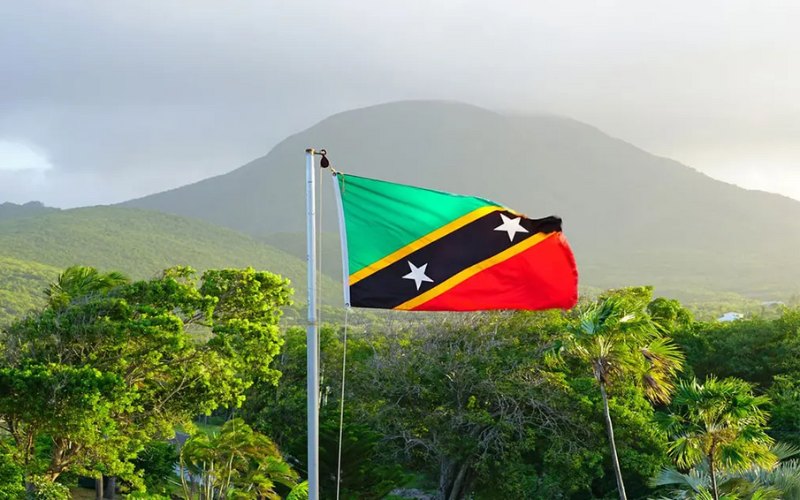
One of the most impactful benefits of acquiring citizenship in St.Kitts and Nevis is the ability to pass down citizenship indefinitely to future generations.
Legacy passed down
The St. Kitts Nevis citizenship can be passed to children and grandchildren, establishing a permanent legacy. The CBI program allows for extensive family inclusion, often covering spouse, children up to 30 years old, and parents over 55. Children born to St. Kitts citizens automatically receive citizenship
Tailored for Families
In times of global uncertainty, whether political, economic, or environmental; having more than one nationality allows families to choose where to live, grow, and thrive with greater freedom.
- Families are increasingly recognising the personal, educational, and lifestyle benefits that SKN citizenship offers.
- More families are turning to Saint Kitts Citizenship as a pathway to long-term stability, security, and global access. The Caribbean nation has emerged as a leading region for alternative second citizenship due to its efficient application processes, high safety standards, strong legal systems, and the lifestyle benefits offered across its island nations.
- Families are increasingly thinking generationally, and a second citizenship serves as a strategic long-term investment in family security.
Citizenship for Life
SKN citizenship provides a permanent citizenship status, not a temporary residence permit, the ability to pass citizenship to future generations, and a stable alternative residence option in a peaceful environment. Having more than one nationality allows families to choose where to live, grow, and thrive with greater freedom.
Next Generation
Parents and grandparents are increasingly thinking about the long-term legacy they leave for the next generation. An alternative citizenship is:
- A status that can be inherited
- A foundation for global identity, belonging, and choice. This is especially meaningful for families looking to build resilient, future-proof foundations for children in an unpredictable world.
Education
Education is often at the center of family decision-making. A second citizenship can expand access to:
- International universities and global academic networks
- Exchange programmes and international schools
- Competitive tuition rates in certain countries for citizens
For families looking to secure the best future opportunities for their children, having an additional citizenship removes barriers and opens doors to broader educational pathways.